

Paul Mpagi Sepuya: The Image in Relation
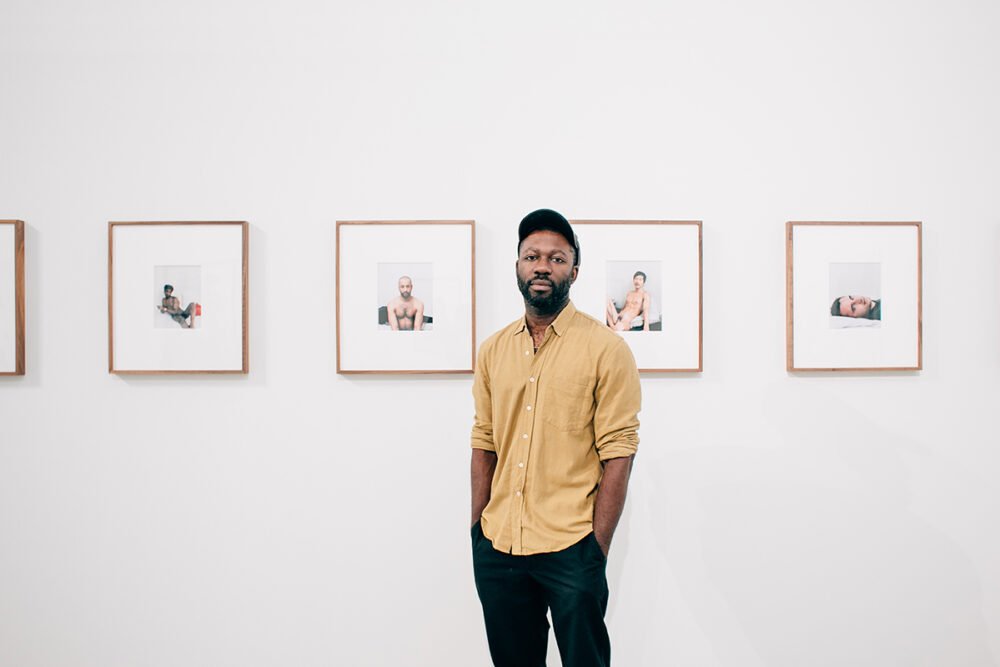
Paul Mpagi Sepuya approaches photography as a space of encounter rather than capture. His images unfold through mirrors, fragments, and collaborative presence, refusing the idea of the singular gaze. As he prepares for an upcoming exhibition in Switzerland, Sepuya’s work feels especially attuned to the present moment, one in which identity, authorship, and visibility remain in active negotiation.
Background & Philosophy
Born in San Bernardino, California, and based in Los Angeles, Sepuya has built a practice rooted in intimacy, community, and critical inquiry. His work emerged in dialogue with queer theory, Black studies, and the history of photography, yet it resists didactic framing. Instead, he treats the studio as a social site, where the act of looking is shared and relational.
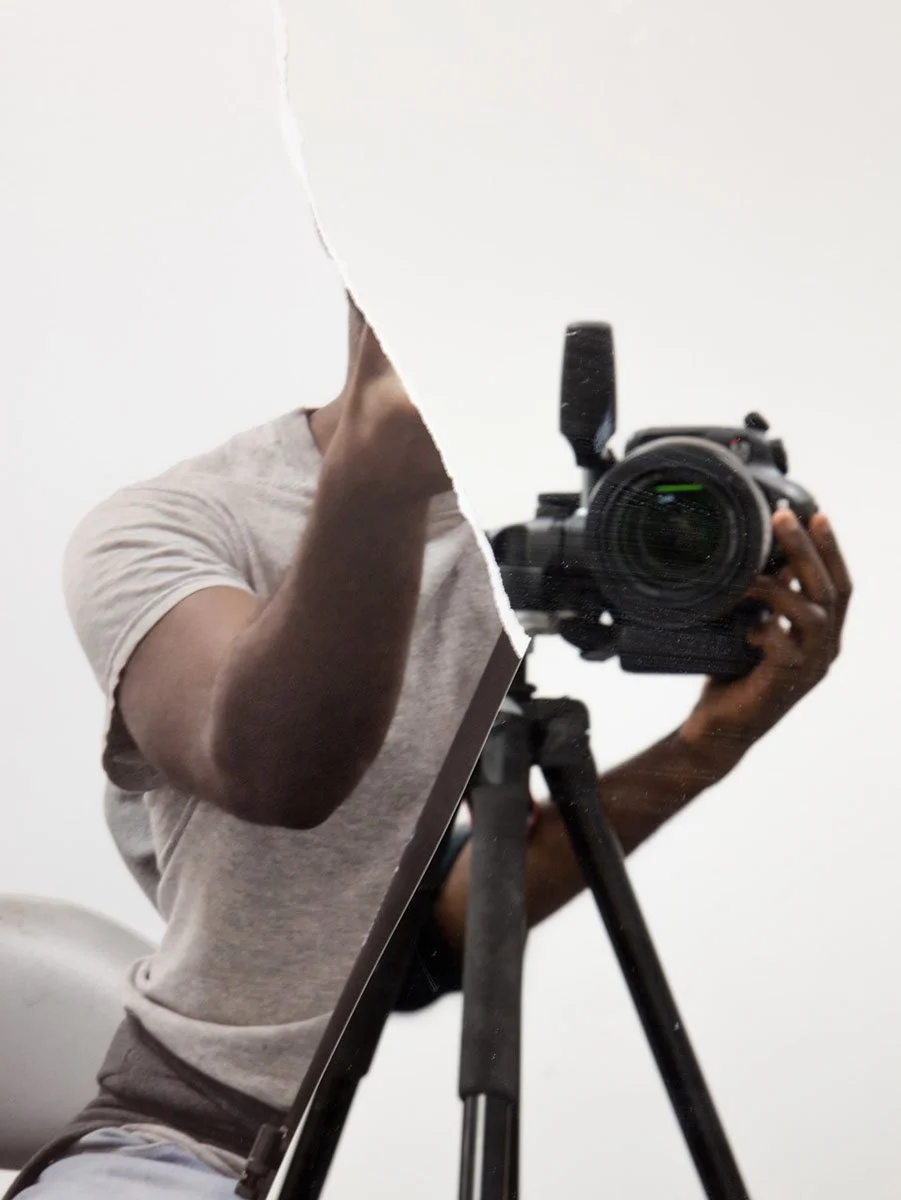
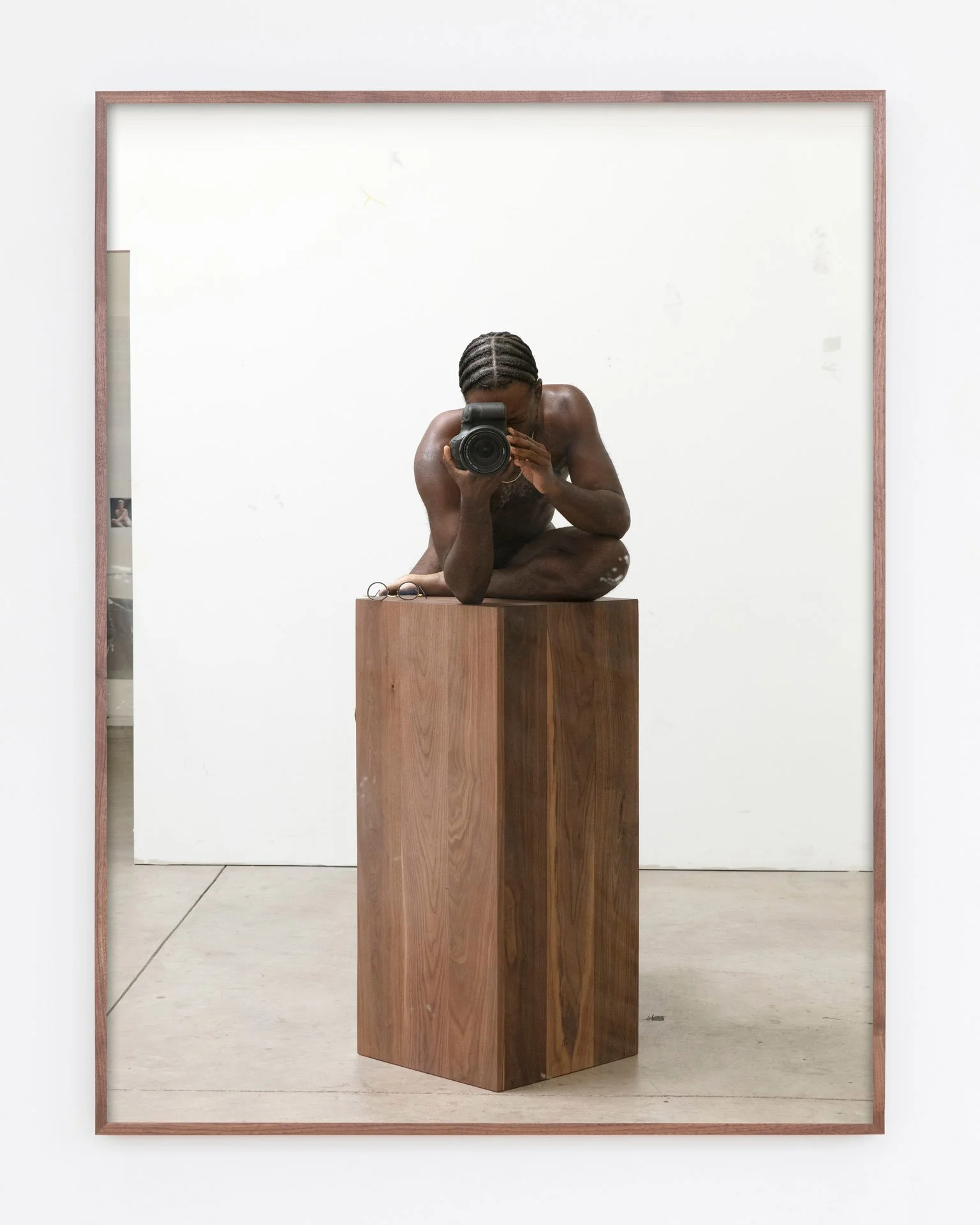
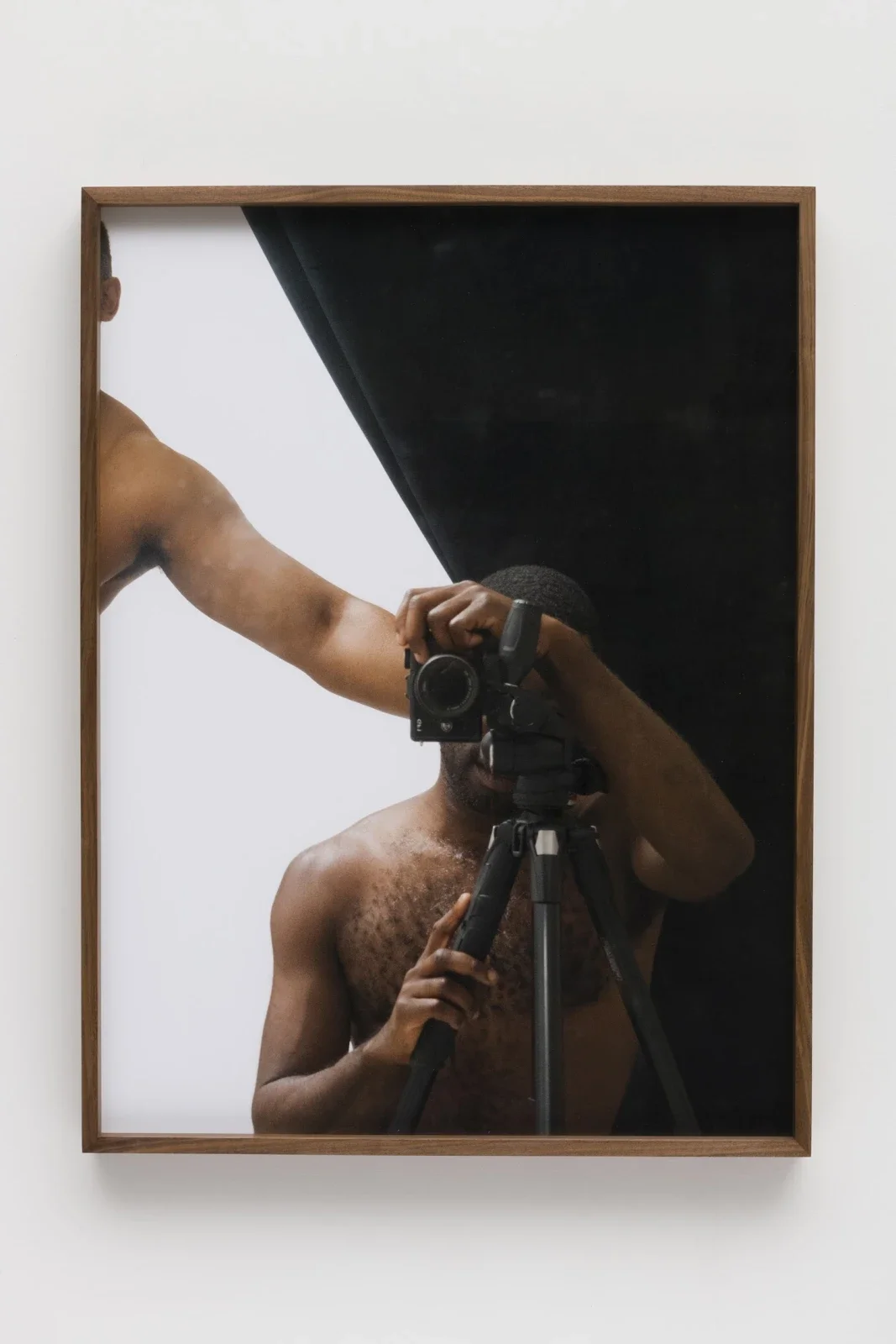
Central to his philosophy is the idea that images are never neutral. For Sepuya, photographs are constructed through trust, proximity, and exchange. By inserting mirrors, camera bodies, and his own presence into the frame, he makes the process of image-making visible, emphasizing that representation is always shaped by relationship.
Design Approach
Sepuya’s visual language is deliberate and layered.
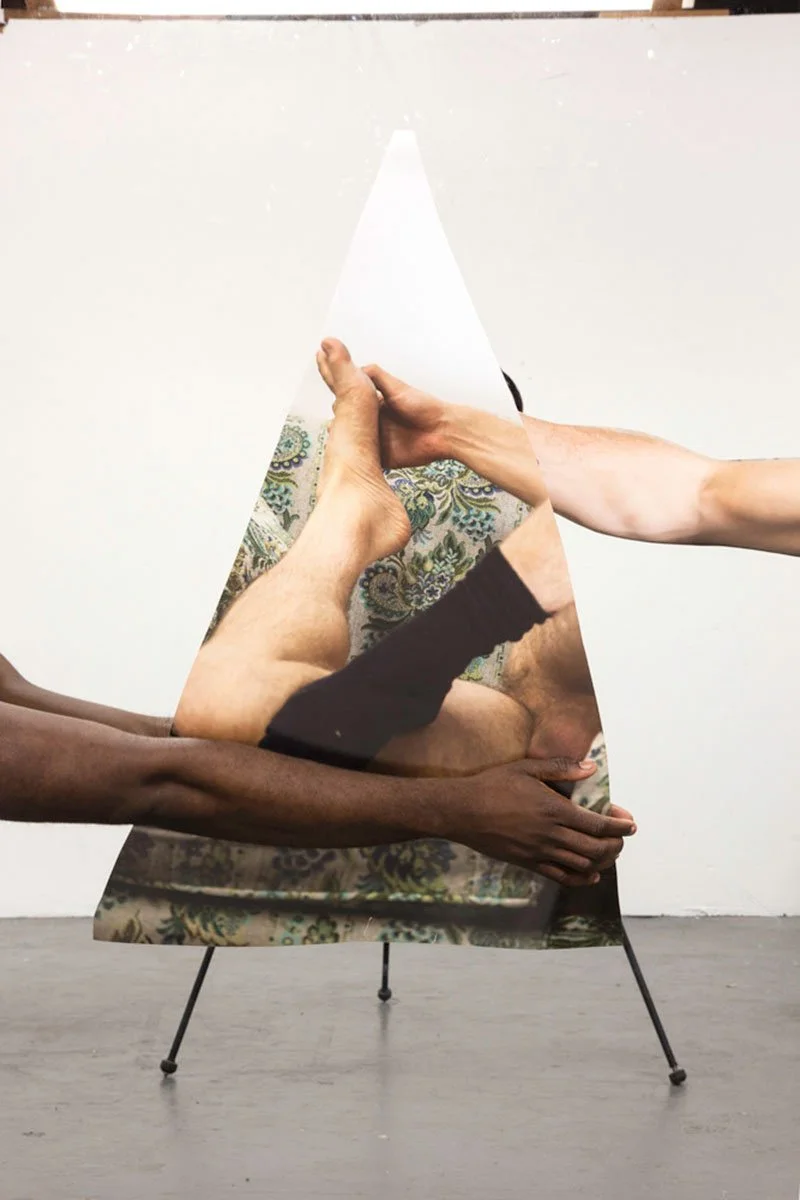
Fragmentation and reflection: Mirrors interrupt the frame, creating partial views that challenge fixed readings of the body. Identity appears not as a stable image, but as something assembled through context.
The studio as subject: Rather than treating the studio as a neutral backdrop, Sepuya foregrounds it. Cables, stands, and backdrops remain visible, reminding the viewer that the photograph is an object made through collaboration.
Queer intimacy: His portraits are grounded in closeness and care. Subjects are often friends, partners, or fellow artists, photographed with a sensitivity that resists spectacle.
Material awareness: Prints, frames, and surfaces are considered part of the work. Photography becomes tactile, emphasizing its physical presence in space.
Position & Influence
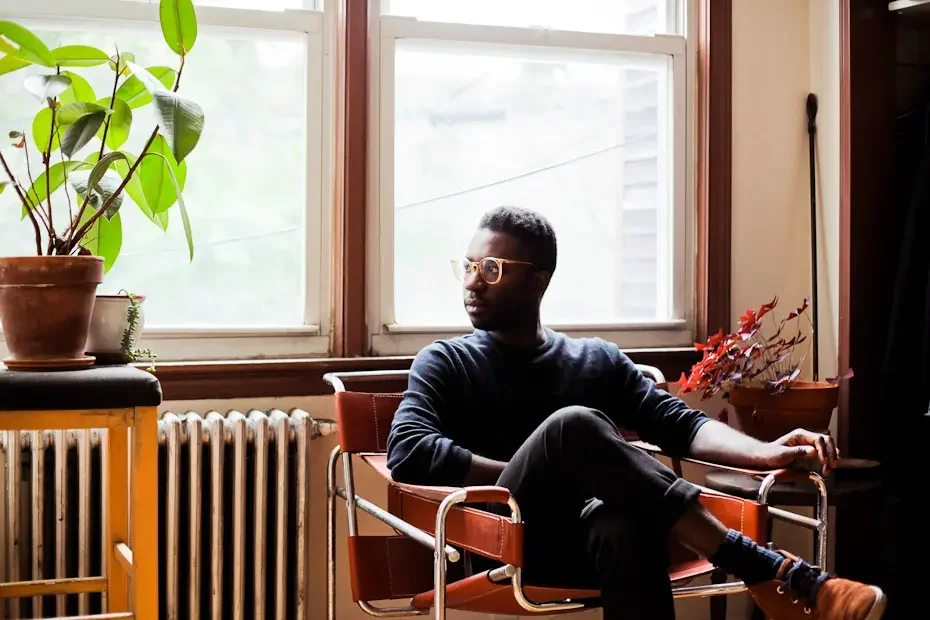
Paul Mpagi Sepuya is widely recognized as one of the most influential photographers of his generation. His work has reshaped conversations around portraiture, particularly in relation to Black and queer visibility. Rather than offering definitive images, he creates conditions for seeing differently.
The forthcoming exhibition in Switzerland marks an important moment in the international circulation of his work. Presented within a European institutional context, the exhibition extends his inquiry into how images operate across cultural and geographic boundaries. It underscores his role not only as an artist, but as a thinker whose practice continues to redefine the politics of looking.
Editor’s Note: Sepuya’s practice reminds us that images are not isolated artifacts, but relationships made visible. As his work enters new institutional spaces, its questions around authorship, care, and representation feel increasingly vital.
