

Méret Oppenheim: The Power of Inner Necessity
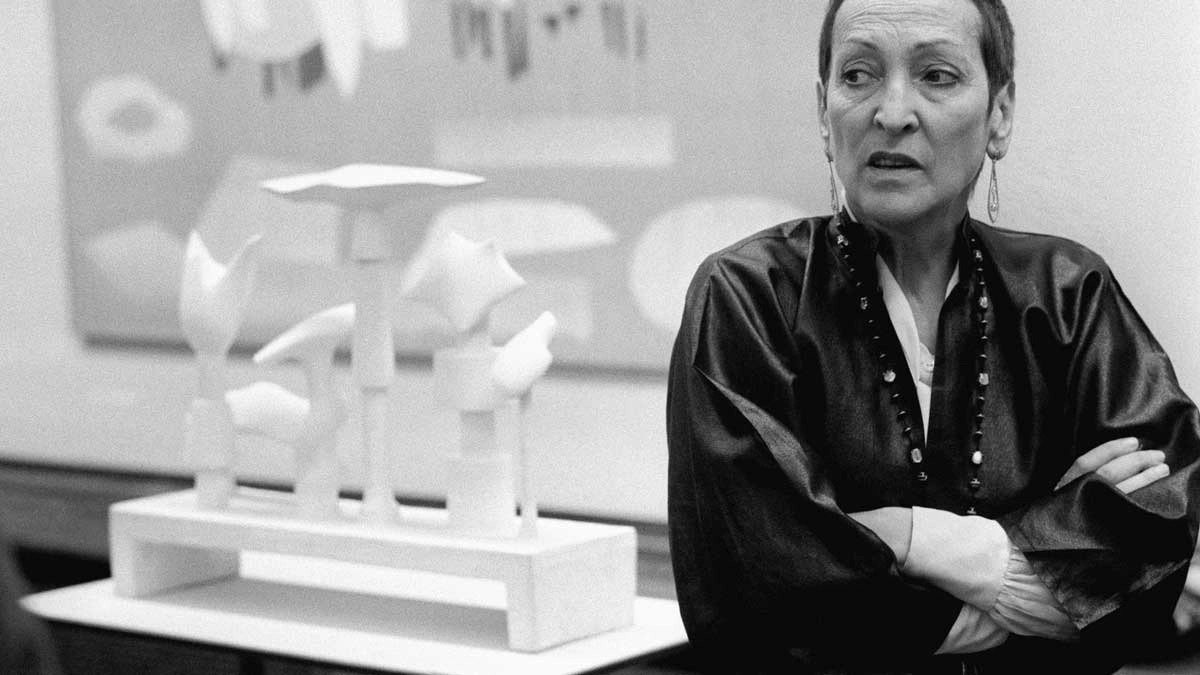
Méret Oppenheim understood that art could be both intimate and unsettling. Associated with Surrealism but never confined by it, she created work that moved fluidly between object, body, and idea. Her practice reminds us that imagination is not decorative but essential, a force capable of reshaping how we see desire, identity, and autonomy.
Background & Philosophy
Born in 1913 in Berlin and raised between Switzerland and Germany, Oppenheim came of age in the intellectual ferment of interwar Europe. She moved to Paris in the early 1930s, where she formed close relationships with figures such as André Breton, Max Ernst, and Alberto Giacometti. Yet even as she entered Surrealist circles, Oppenheim resisted allegiance to any single ideology.
Her philosophy centered on what she called inner necessity—the idea that creative expression must emerge from instinct, intuition, and personal truth rather than external expectation. After early acclaim, she withdrew from the art world for nearly two decades, a deliberate refusal of visibility that challenged the structures of recognition imposed on women artists. When she returned, it was on her own terms.
Design Approach
Oppenheim’s work is defined by transformation and tension.
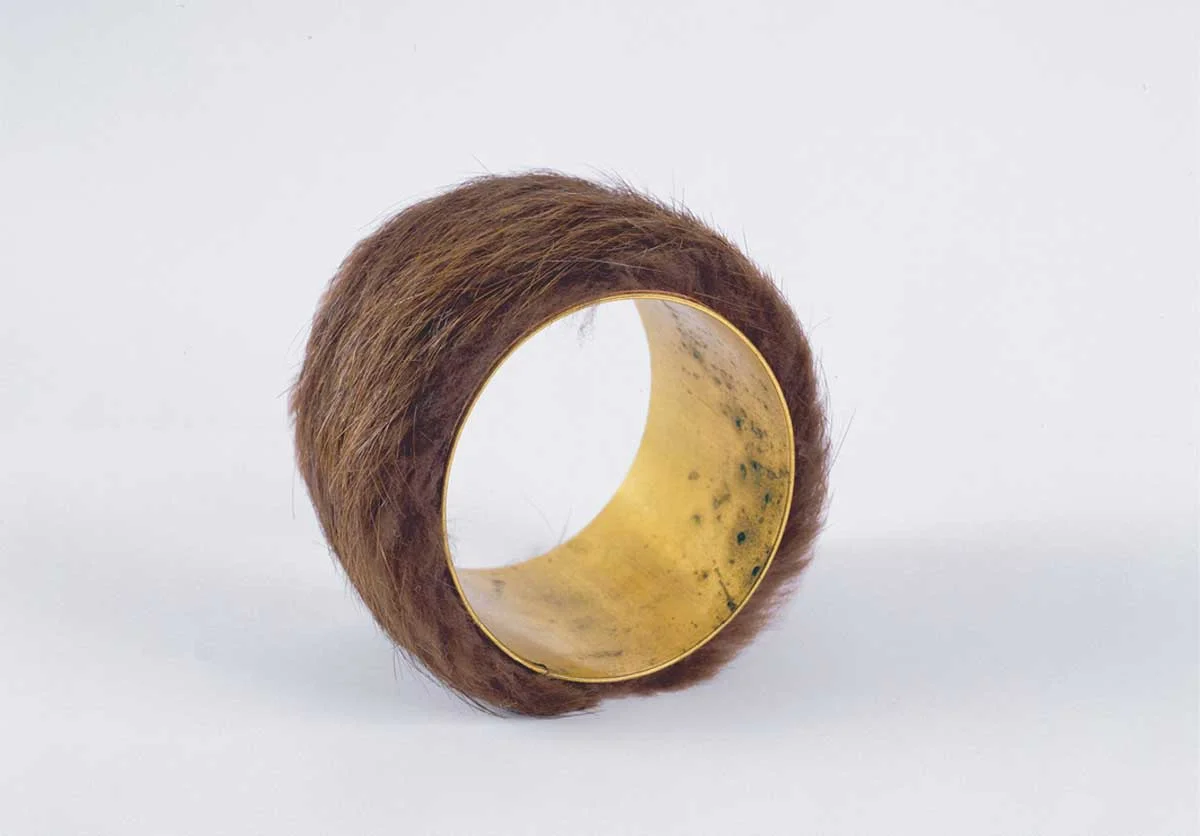
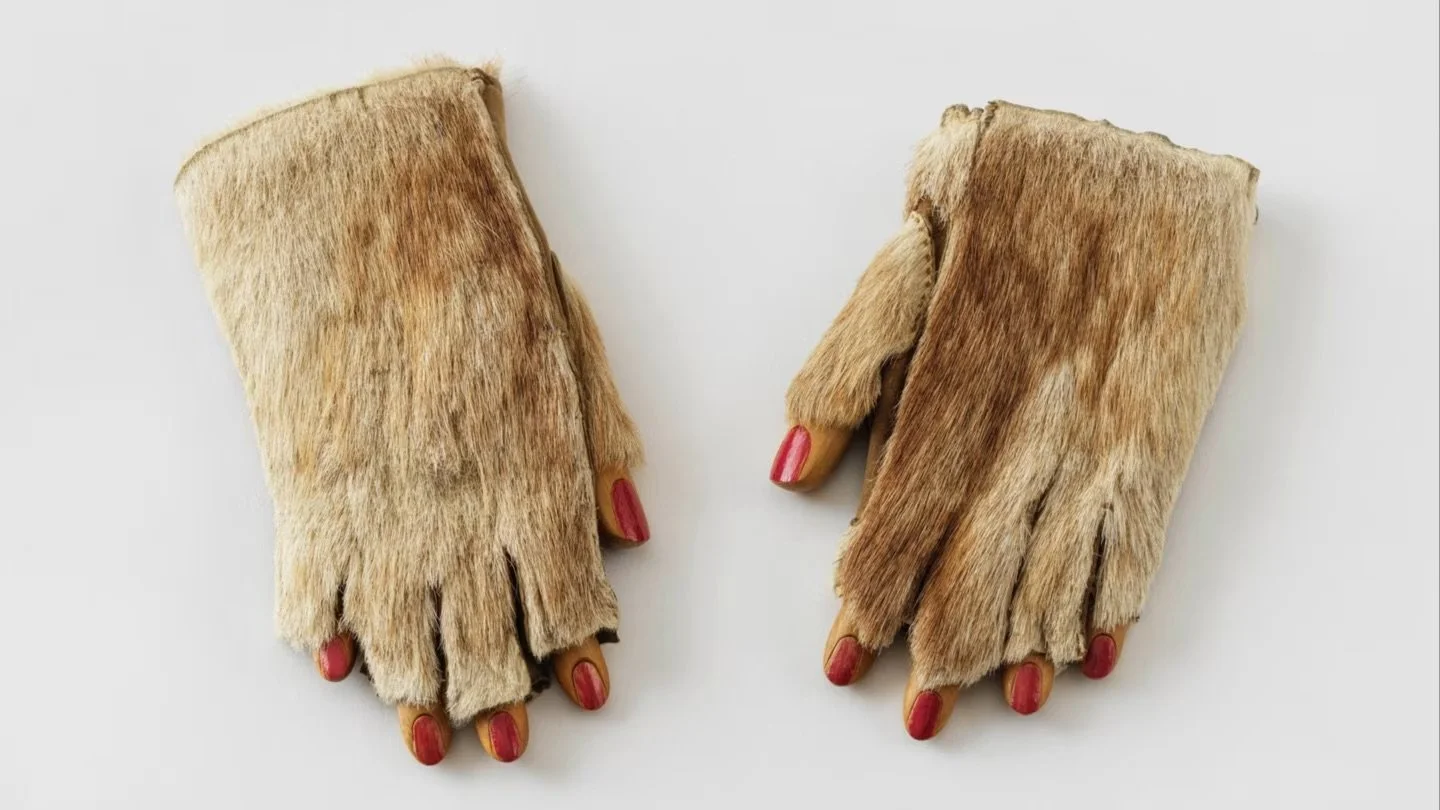
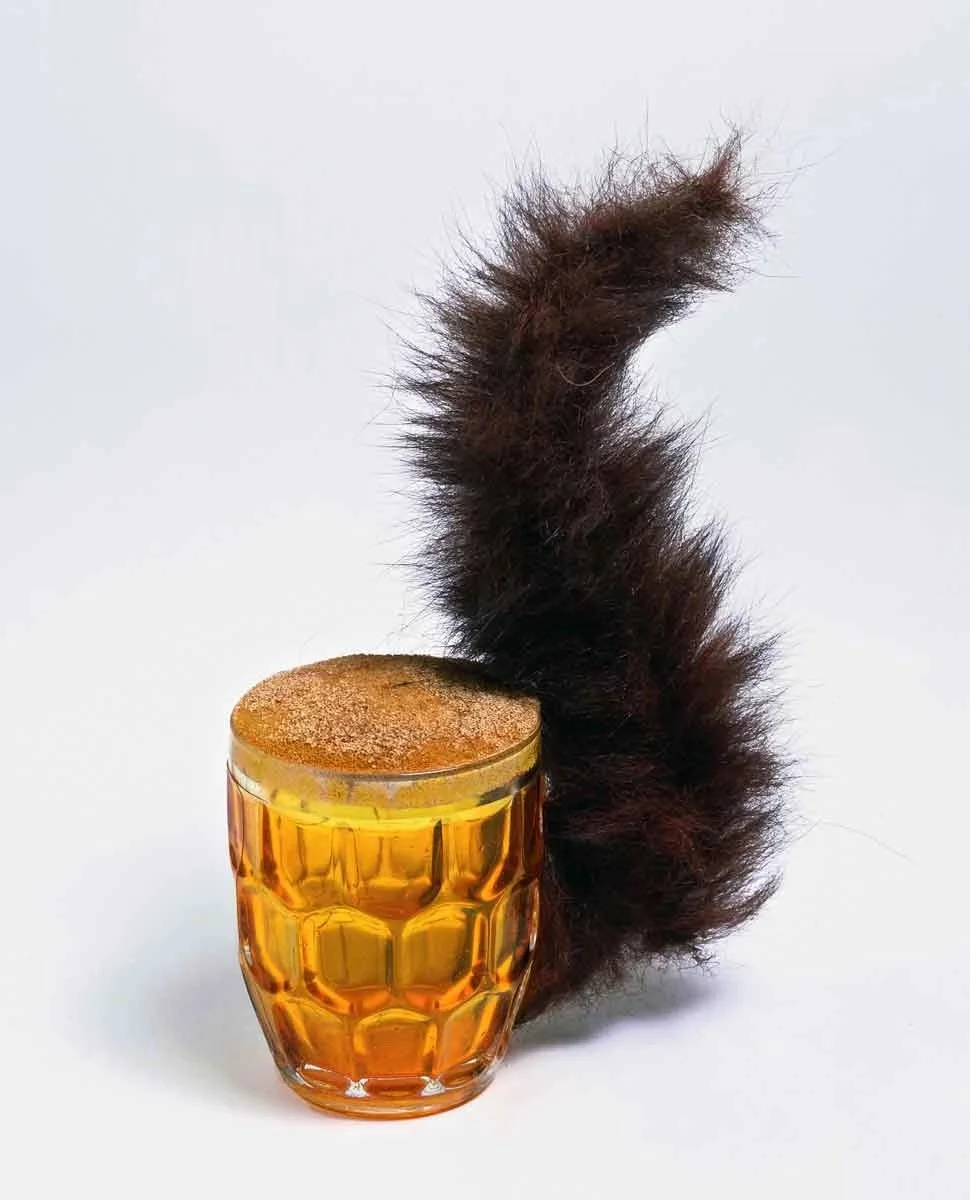
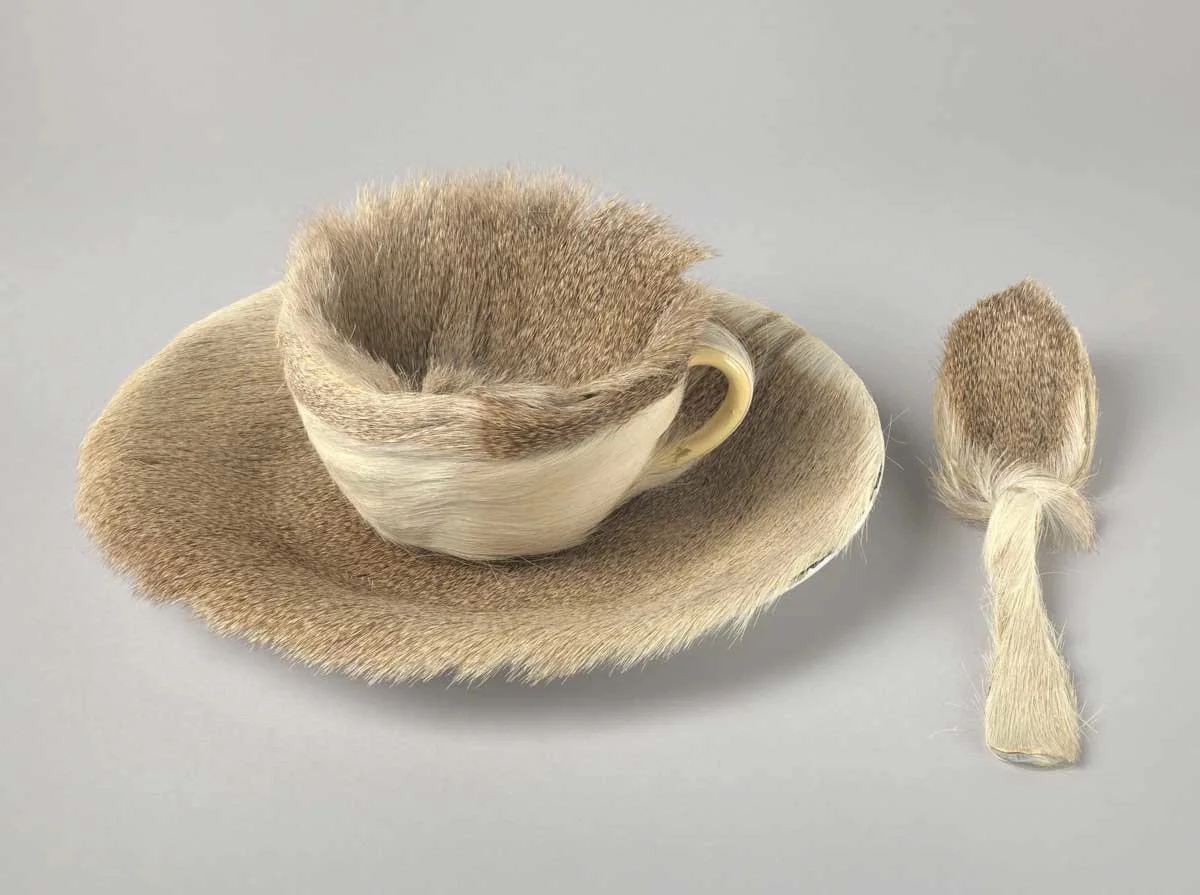
Material as provocation: She combined everyday objects with unexpected textures, turning familiarity into discomfort. Fur, metal, wood, and stone became vehicles for psychological charge rather than ornament.
Body and object in dialogue: Many of her works blur the boundary between the human form and the domestic object, questioning how femininity, desire, and consumption are constructed.
Surrealism without spectacle: Unlike her contemporaries, Oppenheim’s surrealism was quiet and cerebral. Her works invite contemplation rather than shock, allowing meaning to unfold slowly.
Fluid practice: She moved easily between sculpture, painting, drawing, poetry, and design, rejecting hierarchy between disciplines.
Her most recognized work, Object (Le Déjeuner en fourrure), became iconic not because of its strangeness alone, but because it revealed how easily comfort can become unease.
Position & Influence
Though long reduced to a single artwork in popular memory, Méret Oppenheim’s influence extends far beyond it. Her insistence on artistic autonomy paved the way for later generations of artists working across feminism, conceptual art, and material experimentation.
Today, her legacy resonates with creatives who resist categorization and question systems of authorship and visibility. Oppenheim demonstrated that stepping back can be as radical as stepping forward, and that creative freedom is sustained through patience, refusal, and trust in intuition.
Her work continues to remind us that meaning is not fixed. It is felt, discovered, and often found where we least expect it.
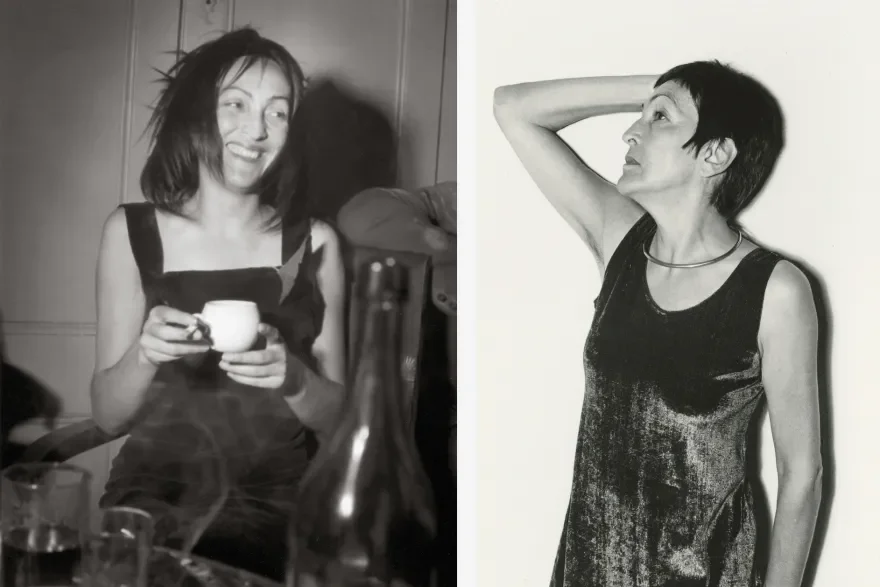
Editor’s Note: Méret Oppenheim’s work feels especially resonant today, as more artists reject rigid categories in favor of intuition and self-determination. Her legacy reminds us that creative independence is not always loud, but it is enduring.
